Practice the future
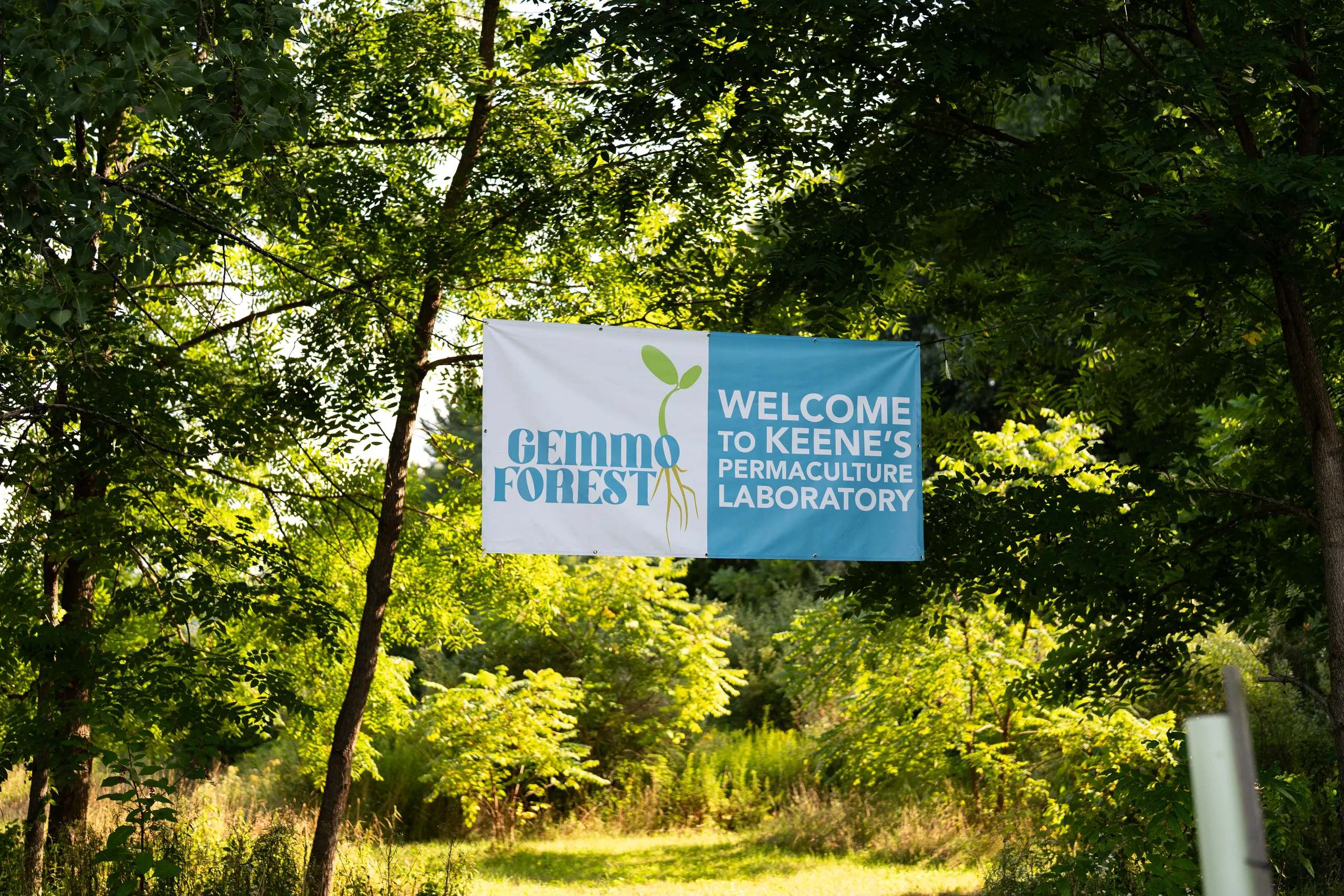
Gemmo Forest is a 12.5-acre permaculture laboratory in Keene, New Hampshire, where we grow food, medicine, community, and new possibilities for living with the land.
What’s in a name?
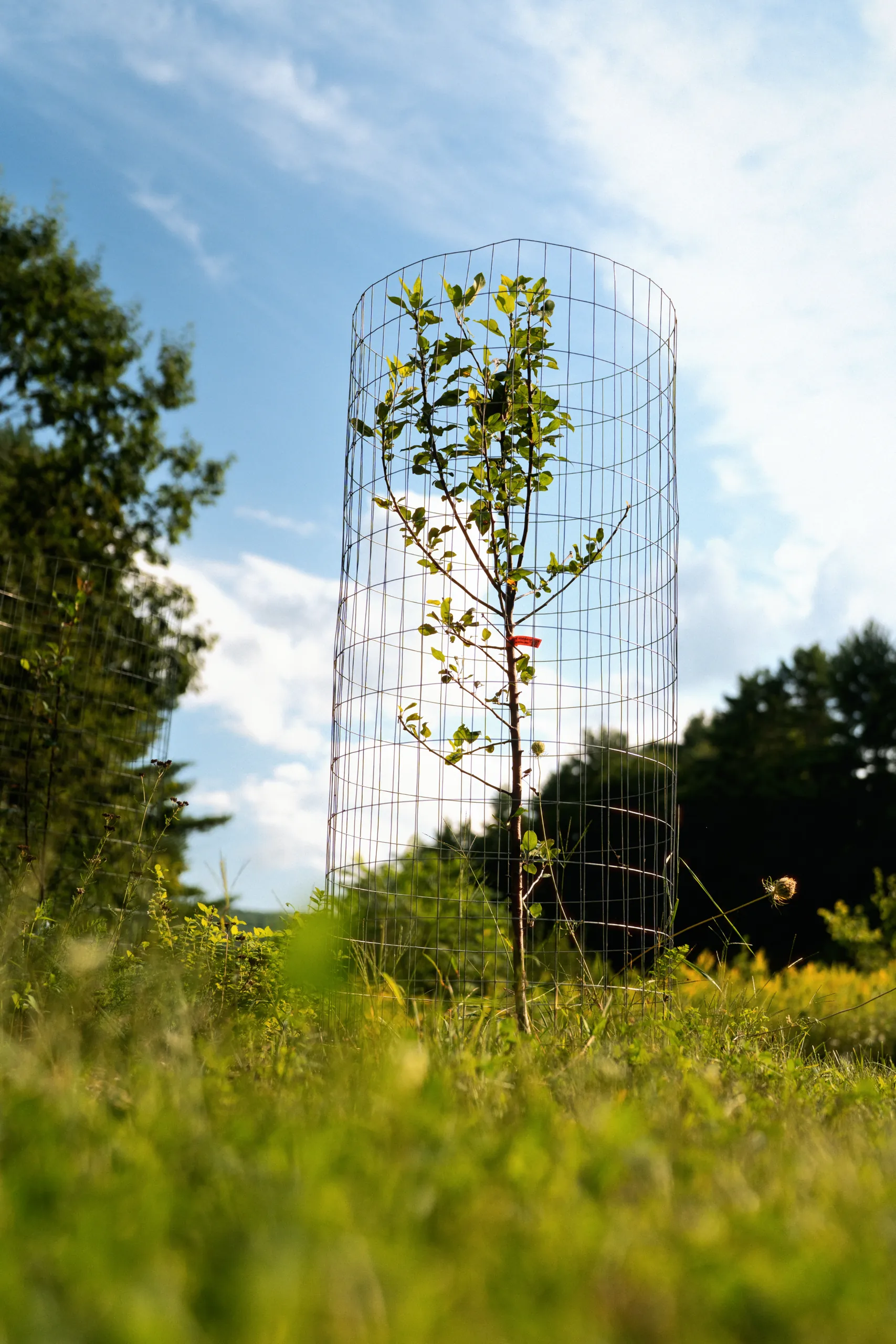
The word Gemmo comes from the Latin gemma, meaning “bud.” Within a bud is everything a plant needs to become what it has the potential to be.
We think there’s something worth learning from that.
Gemmo Forest is a place to experiment with what’s possible — for our food systems, our communities, our relationship with the land, and ourselves.
Come see what we’re growing.
Meet the ForestWhat if the line between farm and forest got a little softer?
Most of us know what farmland looks like. We know what a forest looks like. But what happens when we bring the two together?
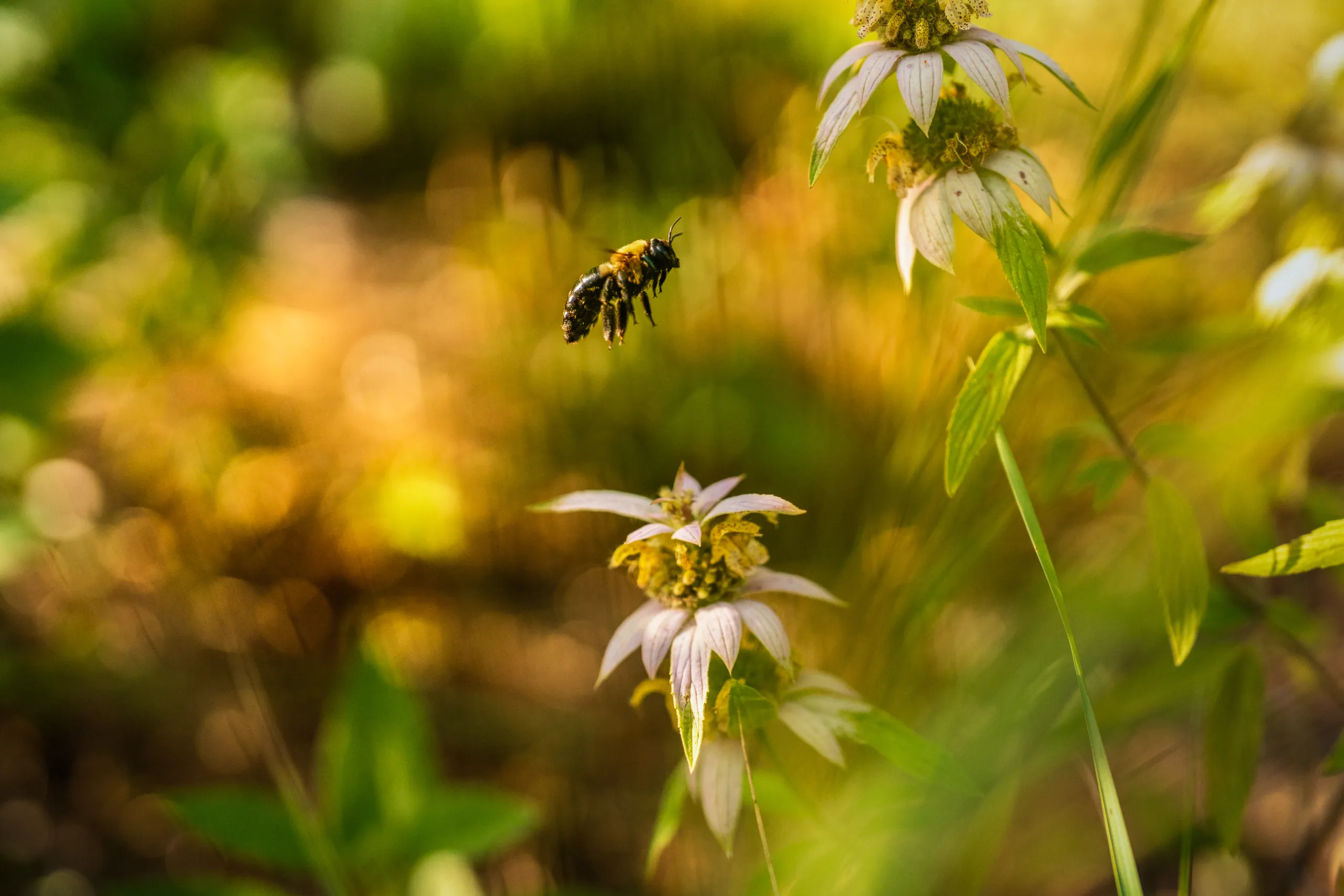
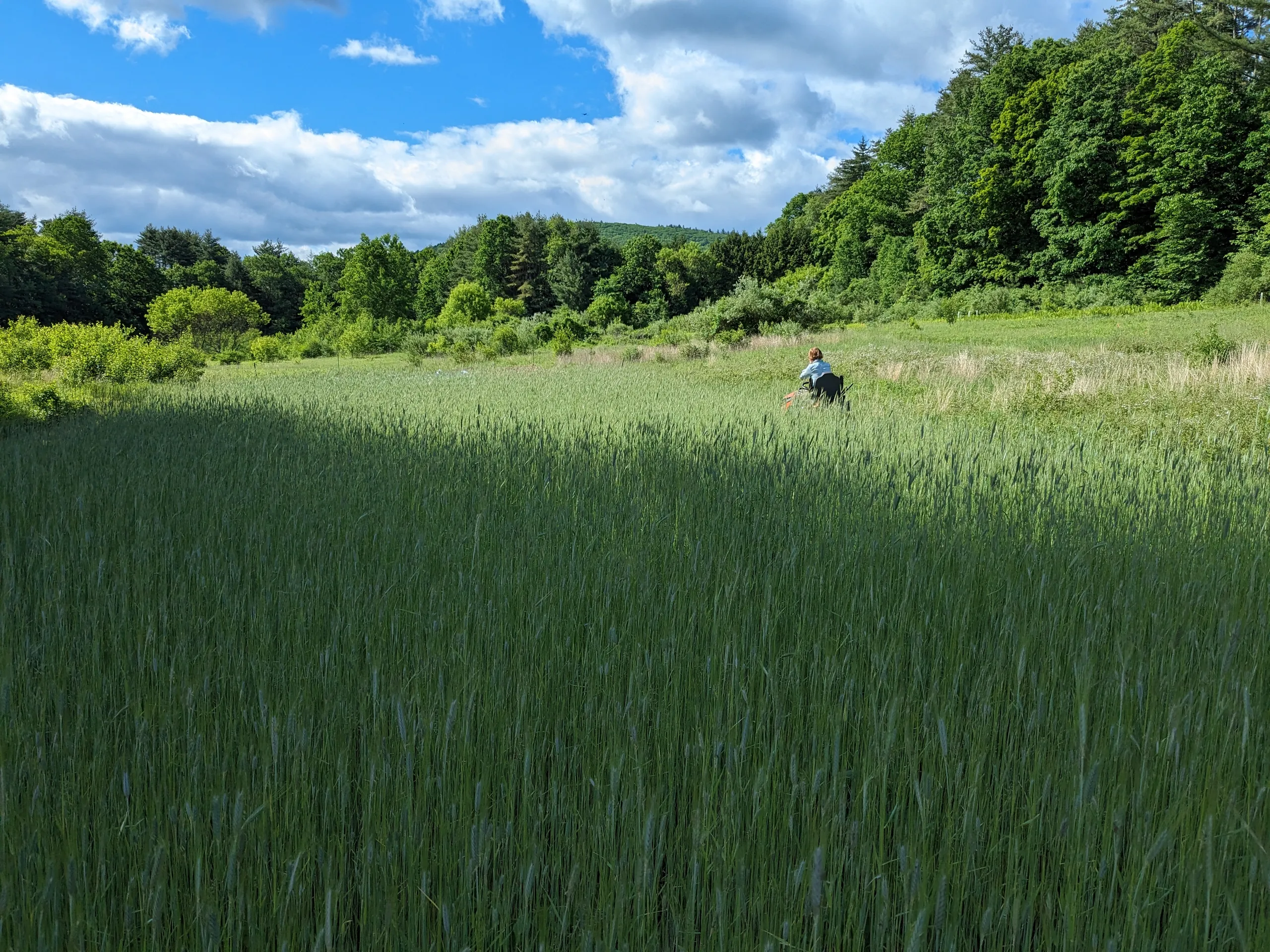
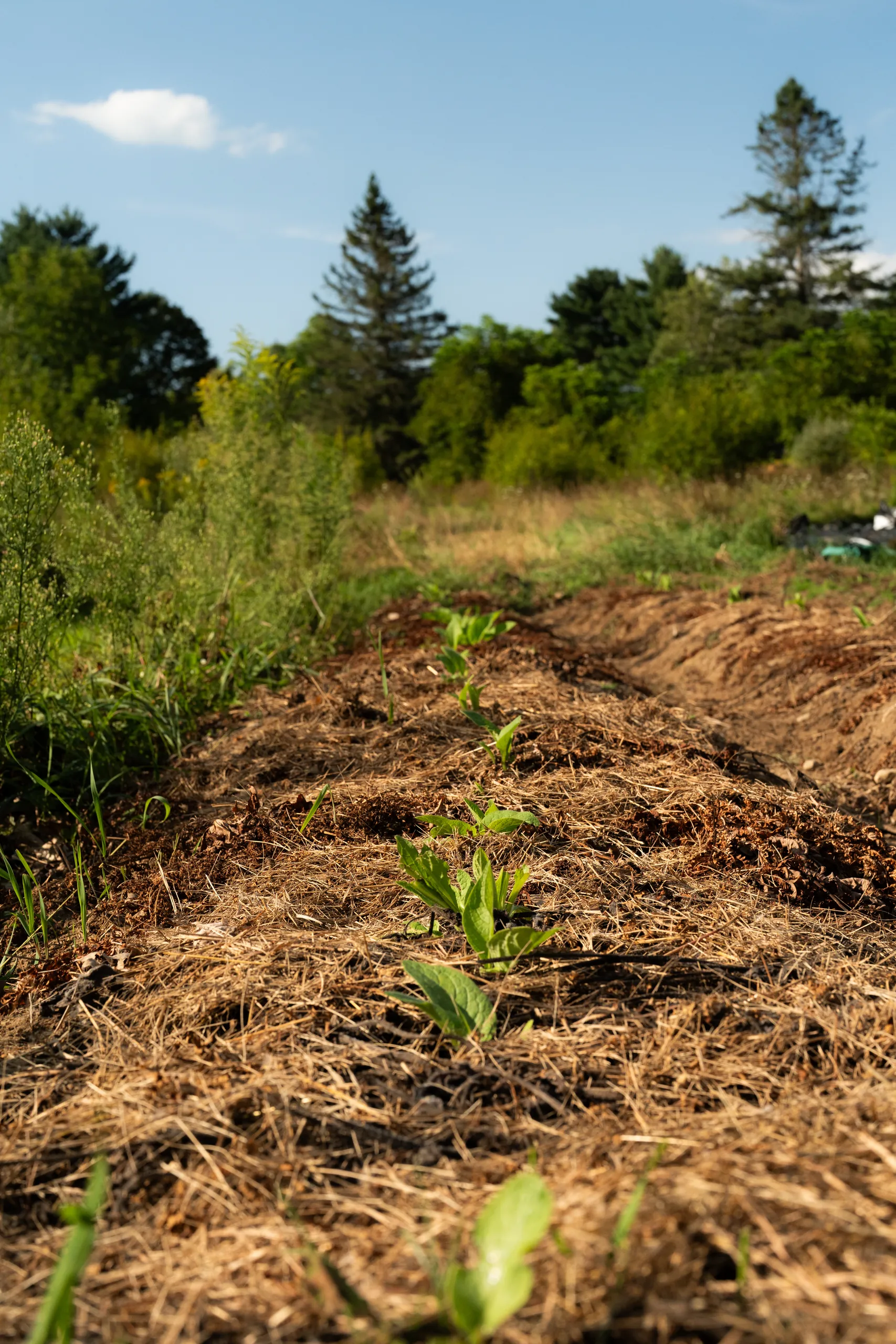
At Gemmo Forest, we’re exploring ways to grow the food and medicine we need while working with the ecosystems that already sustain us.
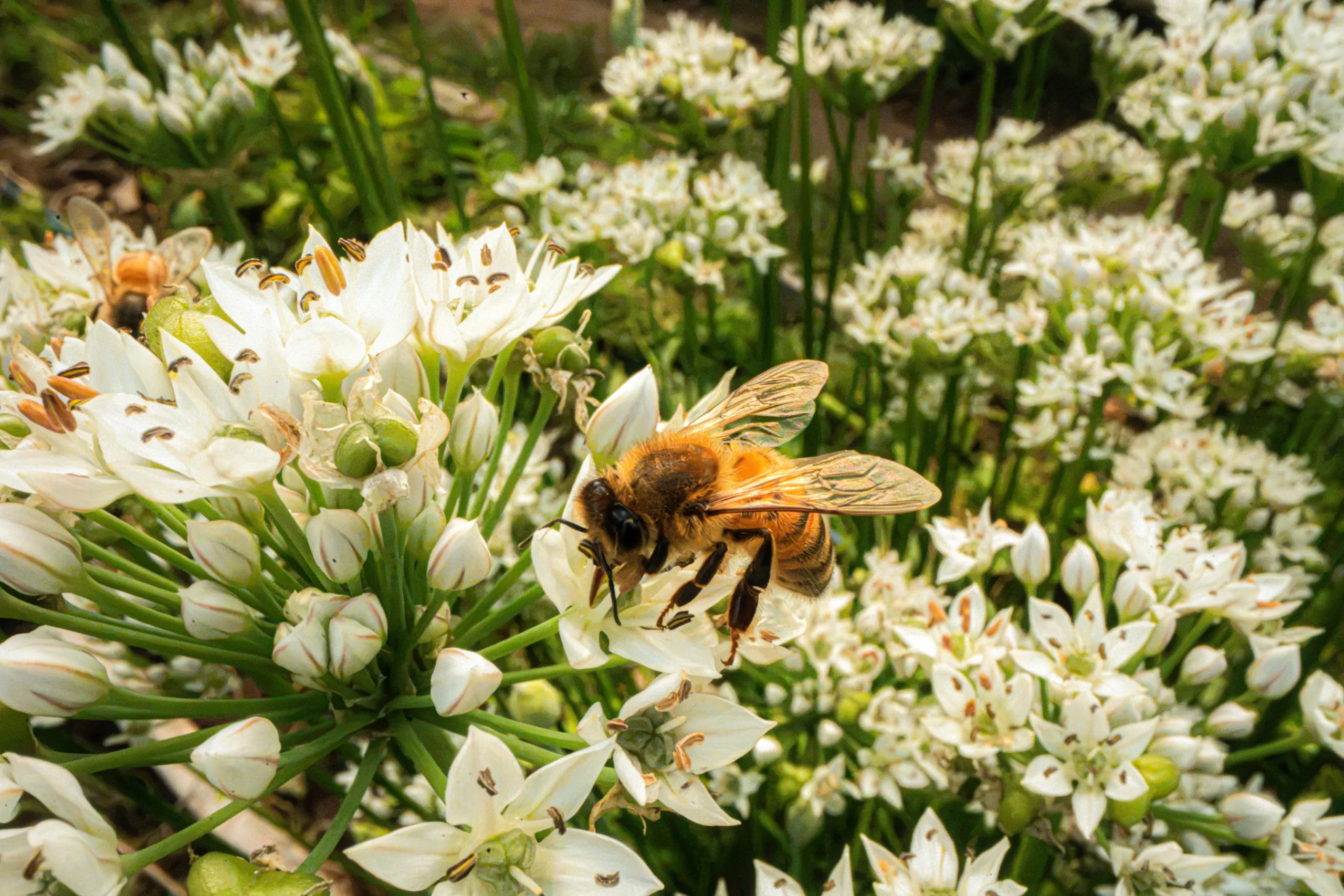
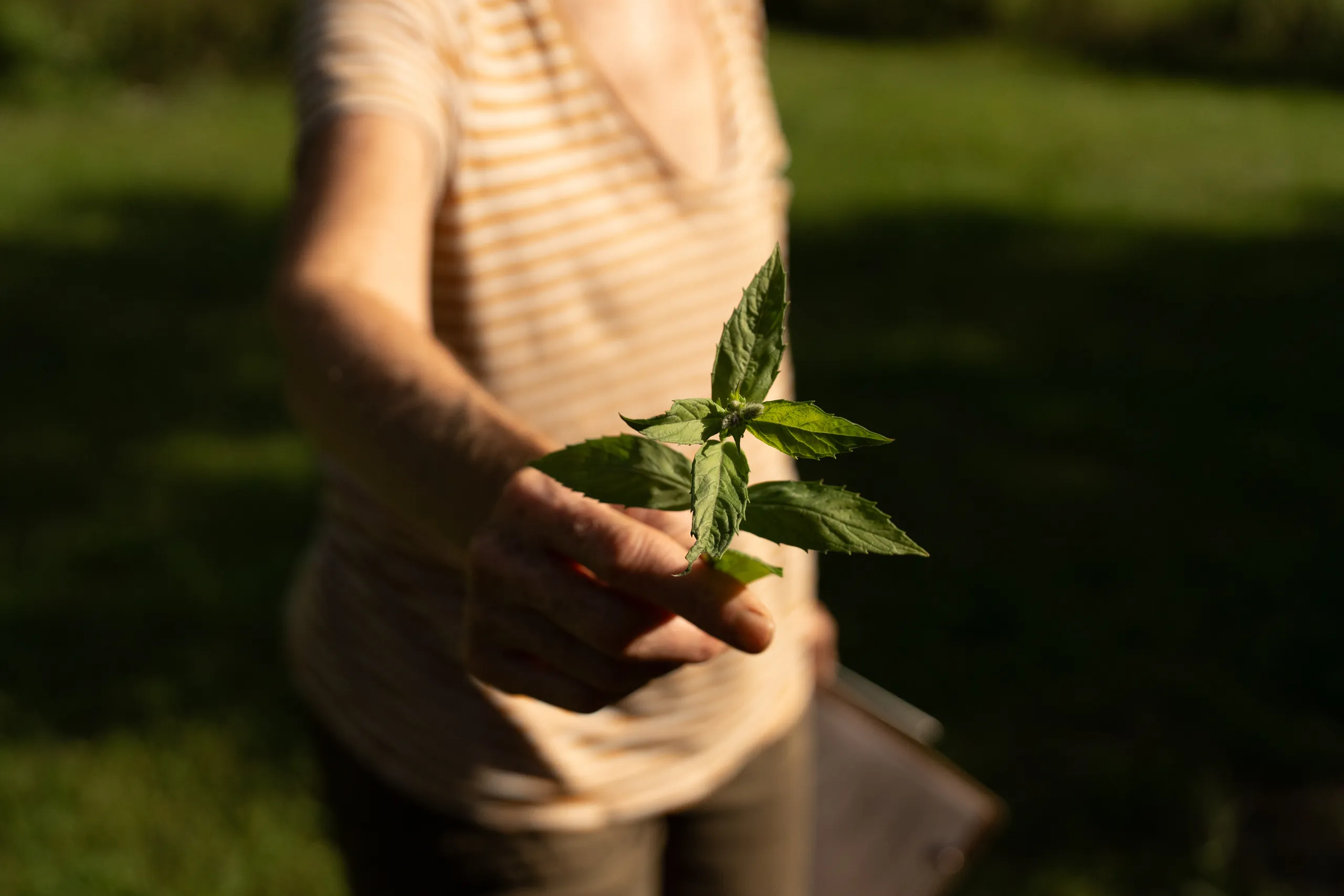
Throughout the Forest, you’ll find vegetables growing alongside perennial plants, medicinal herbs, shrubs, trees, and spaces that transition between cultivated land and woodland. Some of it is thriving. Some of it is teaching us what to try differently next time.
That’s the point.
Gemmo Forest is a working, certified organic polyculture farm, but we also think of it as a laboratory: a place where we can push at the edges of familiar growing practices, test the principles of permaculture and regenerative agriculture, and share what we learn.
Because if we want a different future, we need places where we can practice it.
Explore the experimentsGrow something bigger than a garden
Gemmo Forest has always been about more than the plants growing here. It’s about people growing here, too.
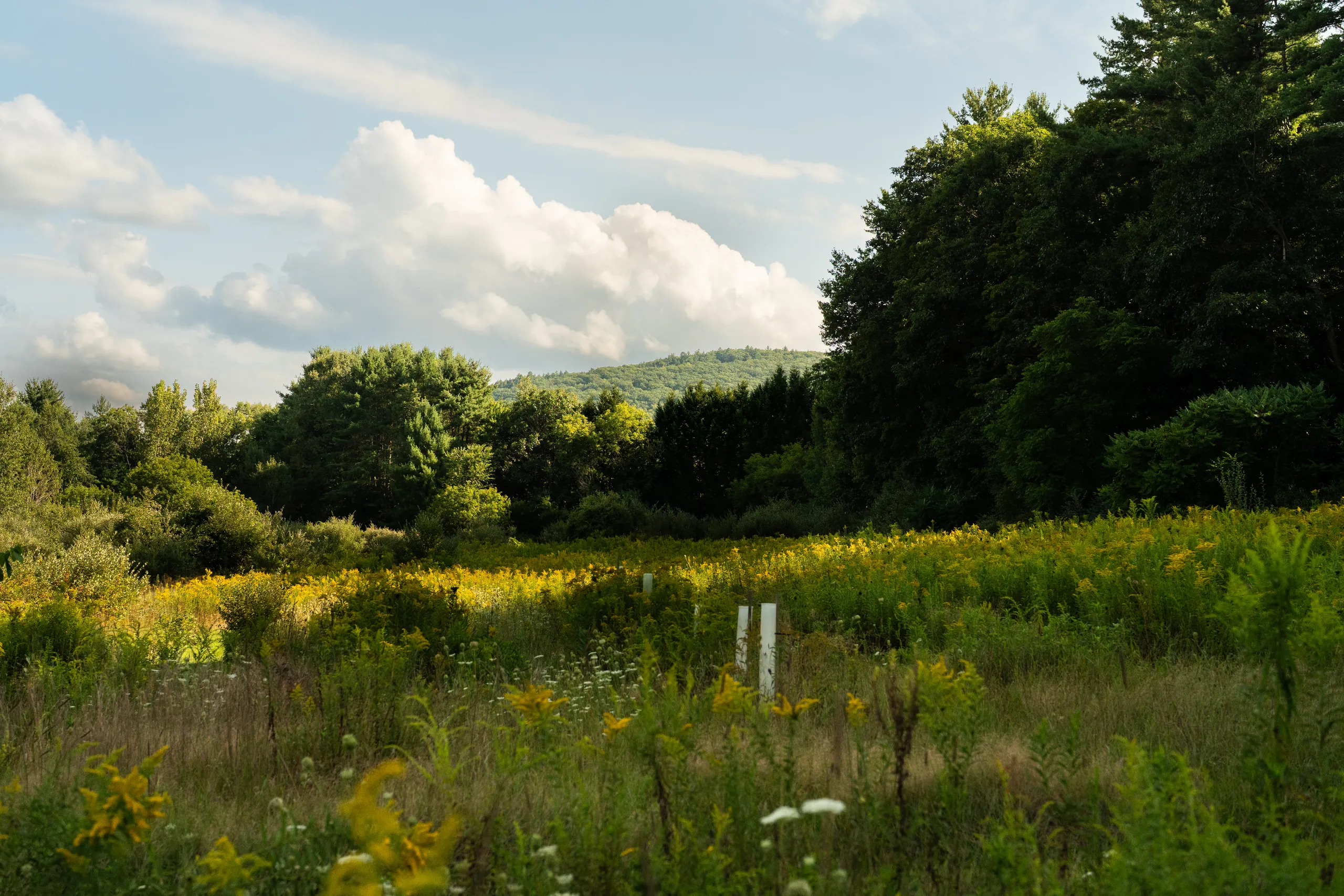
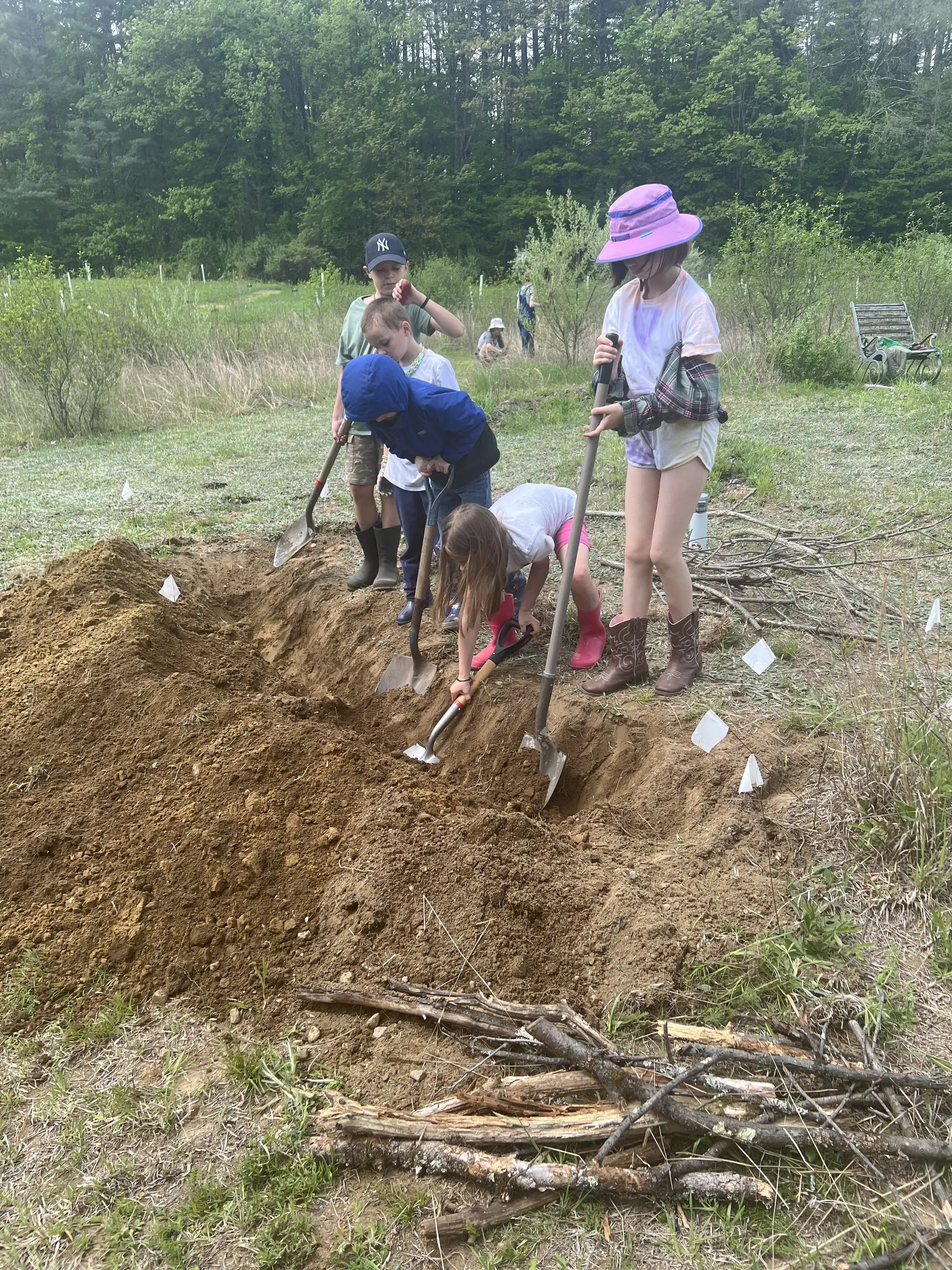
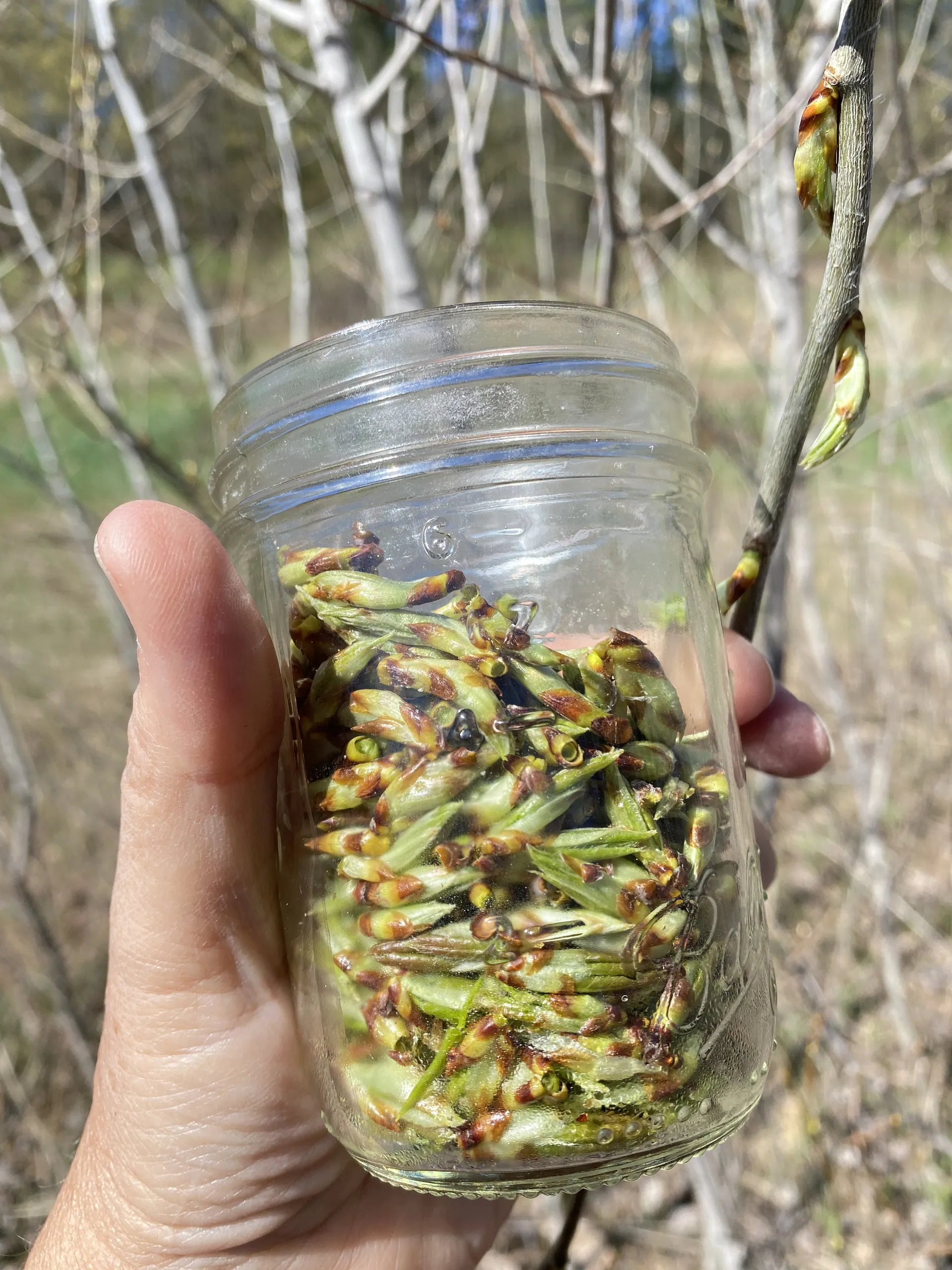
Growing Growers creates opportunities for people with different levels of experience to learn on the land through three pathways: volunteering, internships, and apprenticeships.
You don’t need to arrive knowing how to farm. You need curiosity, a willingness to get your hands in the soil, and an openness to learning from the land and from one another.
Our goal is to build a pathway that allows someone to begin by lending a hand, deepen their knowledge through an internship, and eventually develop the skills and experience of an apprentice.
And we believe that deeper level of work deserves to be paid.
We’re raising funds to support paid apprenticeships so that learning to grow food and care for land isn’t an opportunity reserved only for people who can afford to work for free.
Help us grow the next generation of growers.
Support our growersThere is more than one way to grow
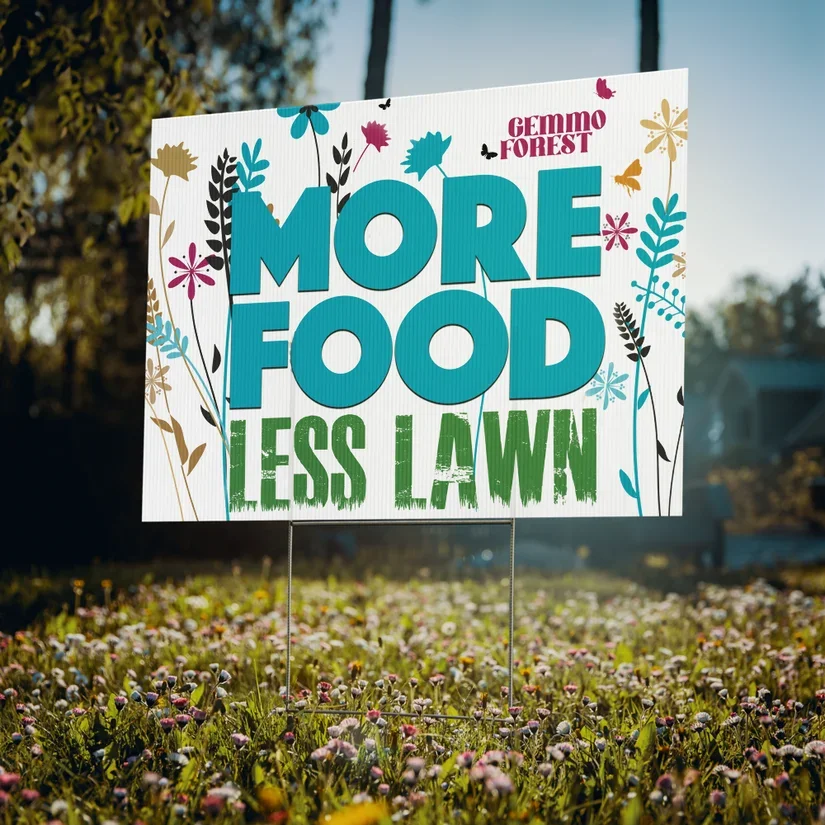
A manicured lawn can become a vegetable garden.
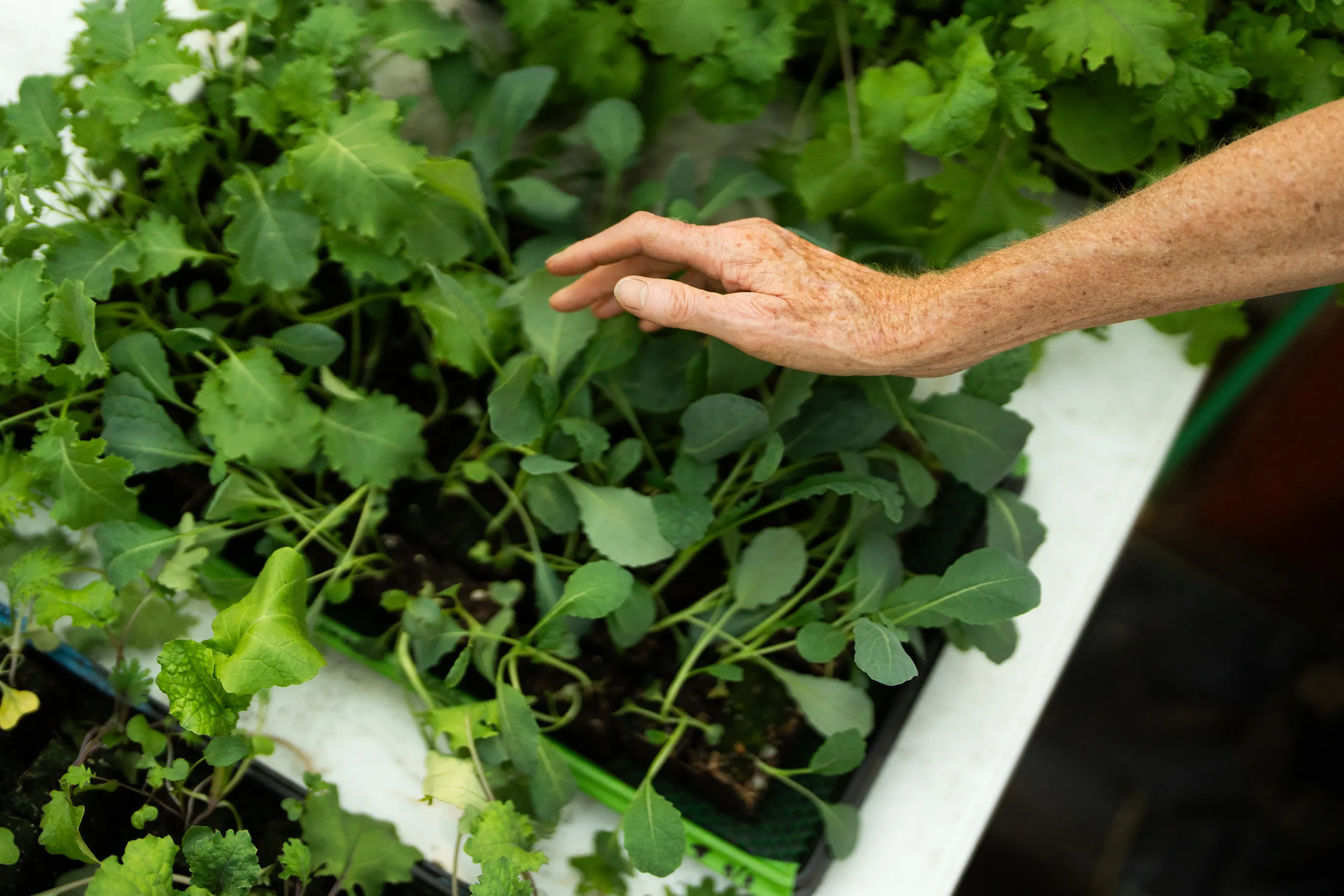
The edge between a field and a forest can become productive habitat.
A farm can grow food while making room for medicine, wildlife, soil health, and human community.
And a group of small farms can choose cooperation over going it alone.
Through projects like More Food Less Lawn, our growing plant nursery, and our participation in the Meeting House Farm Collaborative, Gemmo Forest is putting these ideas into practice both inside and beyond our 12.5 acres.
We don’t expect every experiment here to provide the answer. We’re much more interested in asking better questions.
What else could we grow here?
What happens if we do this differently?
What can the plants teach us if we pay attention?
And what becomes possible when we work together?
Grow with usCome practice with us
You can read about permaculture. You can learn the principles. You can look at pictures of food forests and polycultures. But eventually, you have to put your hands in the soil.
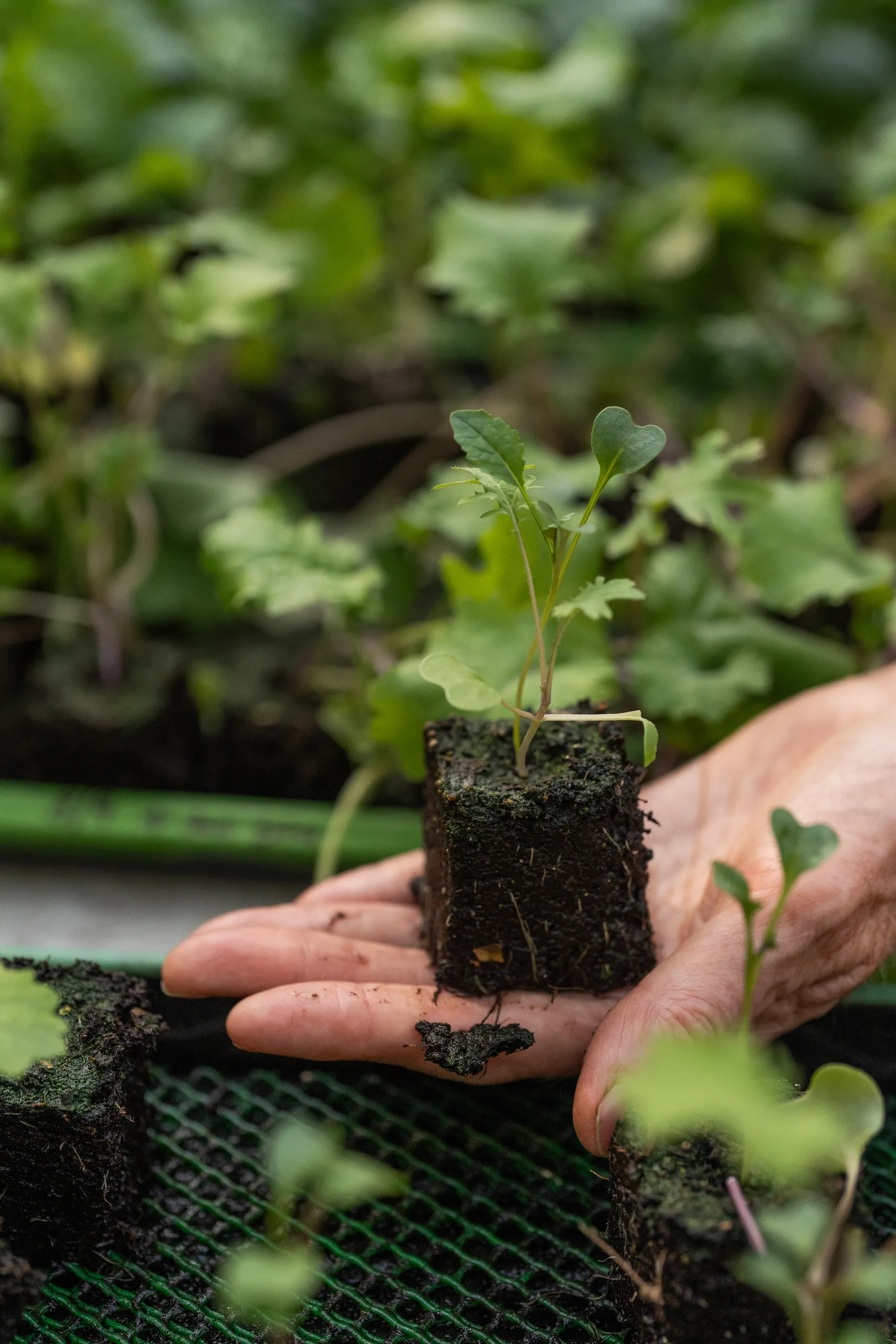
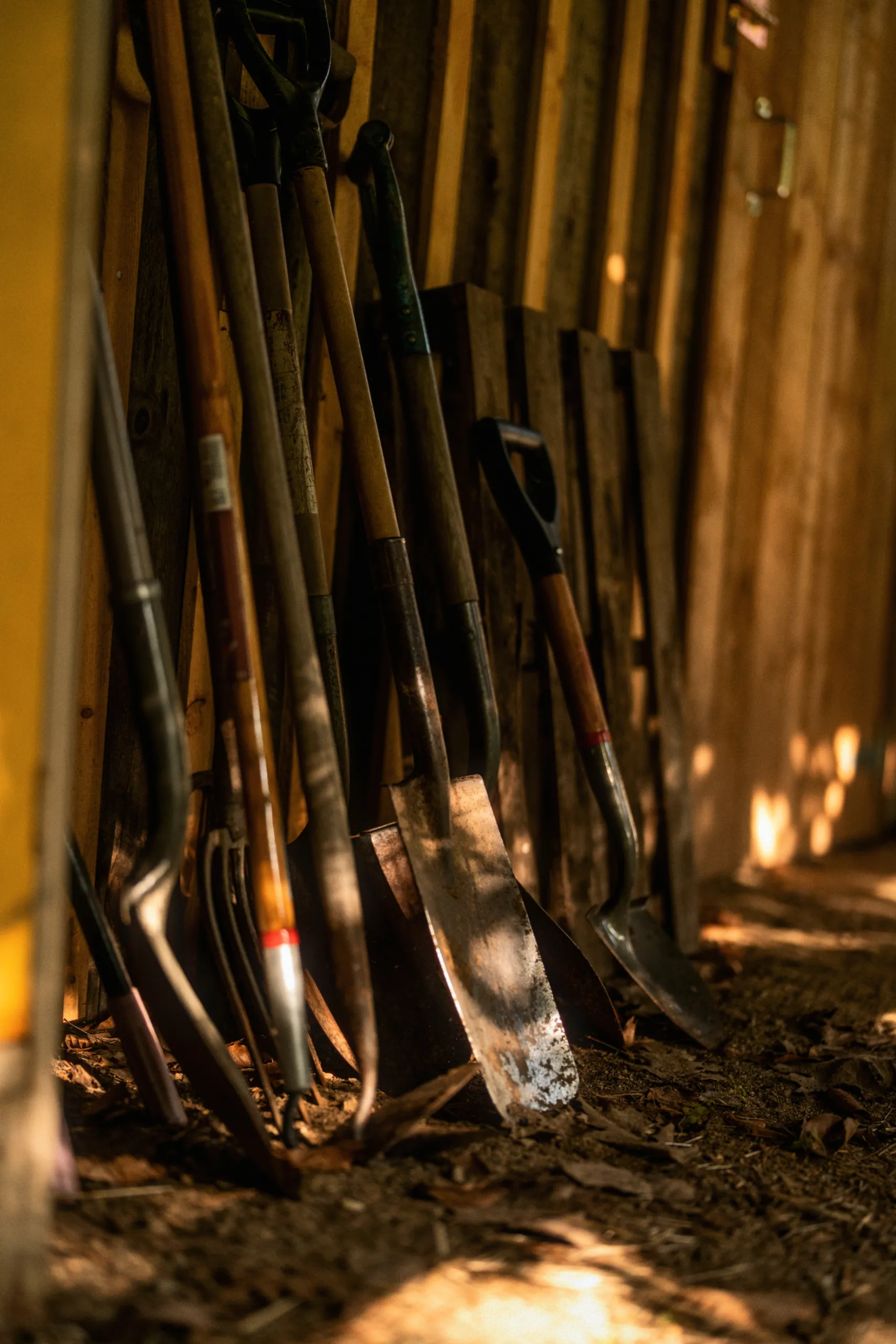
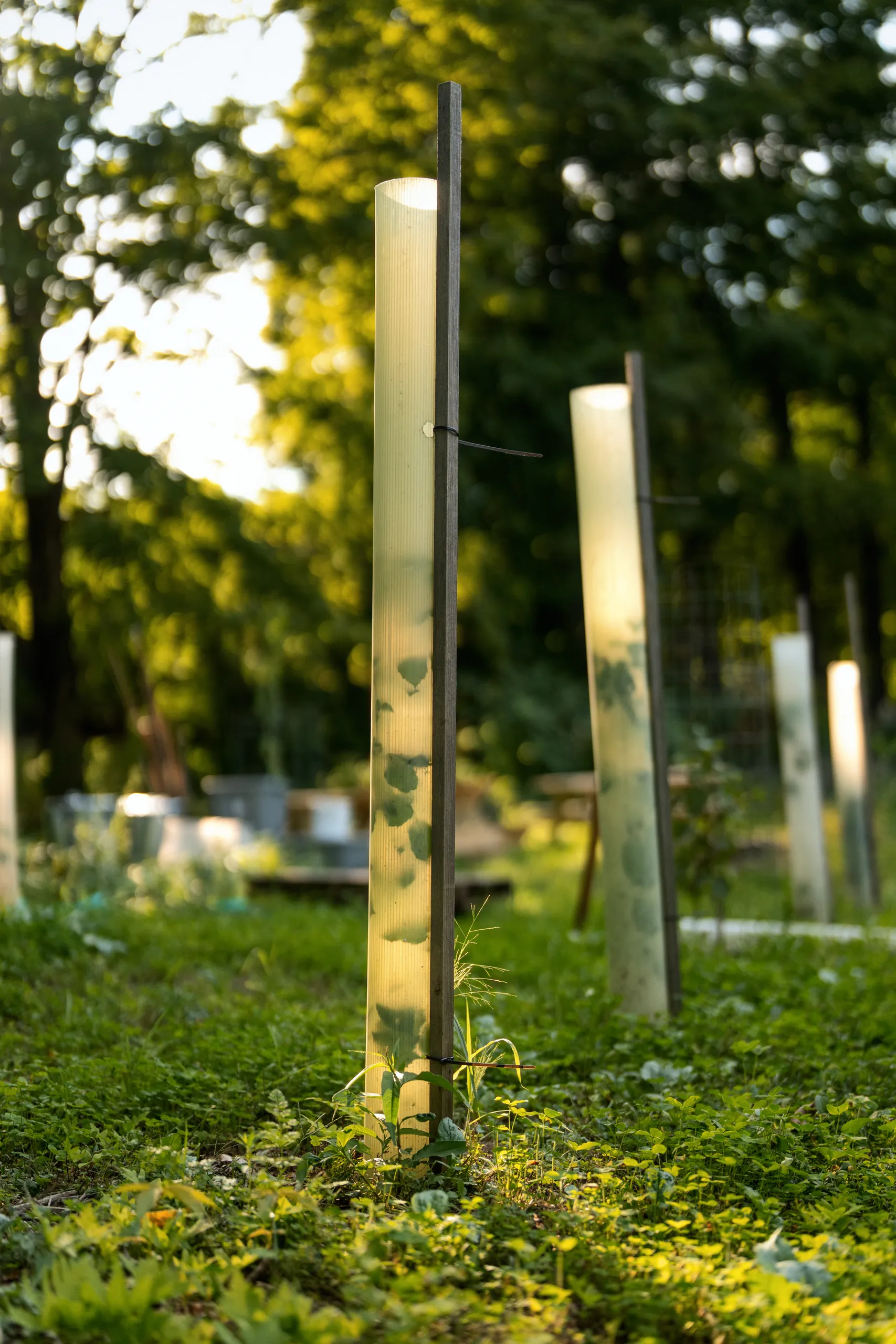
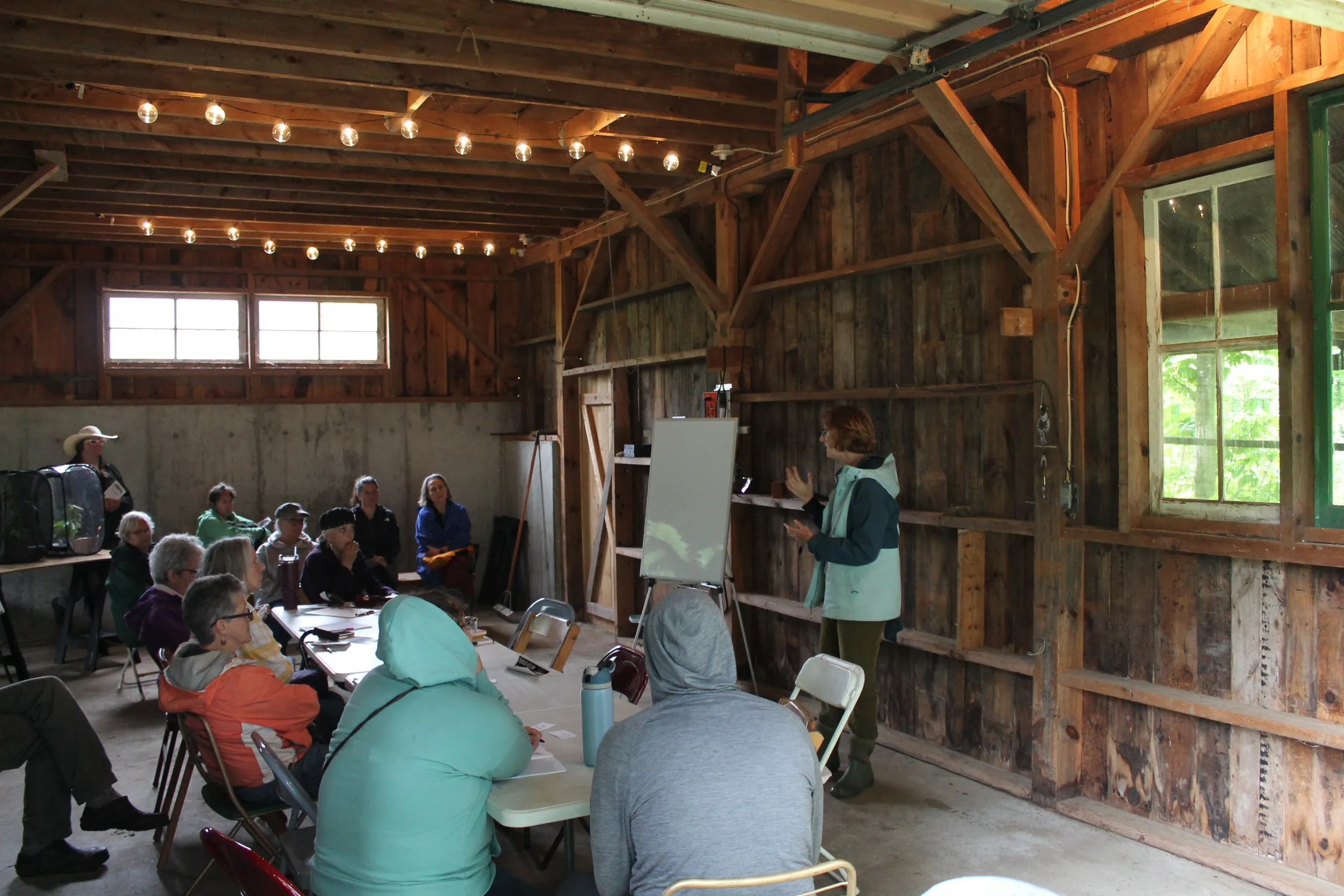
Throughout the year, Gemmo Forest hosts workshops, field days, volunteer opportunities, tours, and community gatherings where you can see what’s happening on the land, learn alongside other growers, and try something for yourself.
You don’t need a farm.
You don’t need years of experience.
You don’t even need to know what “polyculture” means yet.
You just need to be curious about another way of doing things.
Come put your hand in the soilGrowing resilience, together
What we practice on the land doesn’t have to stay here.
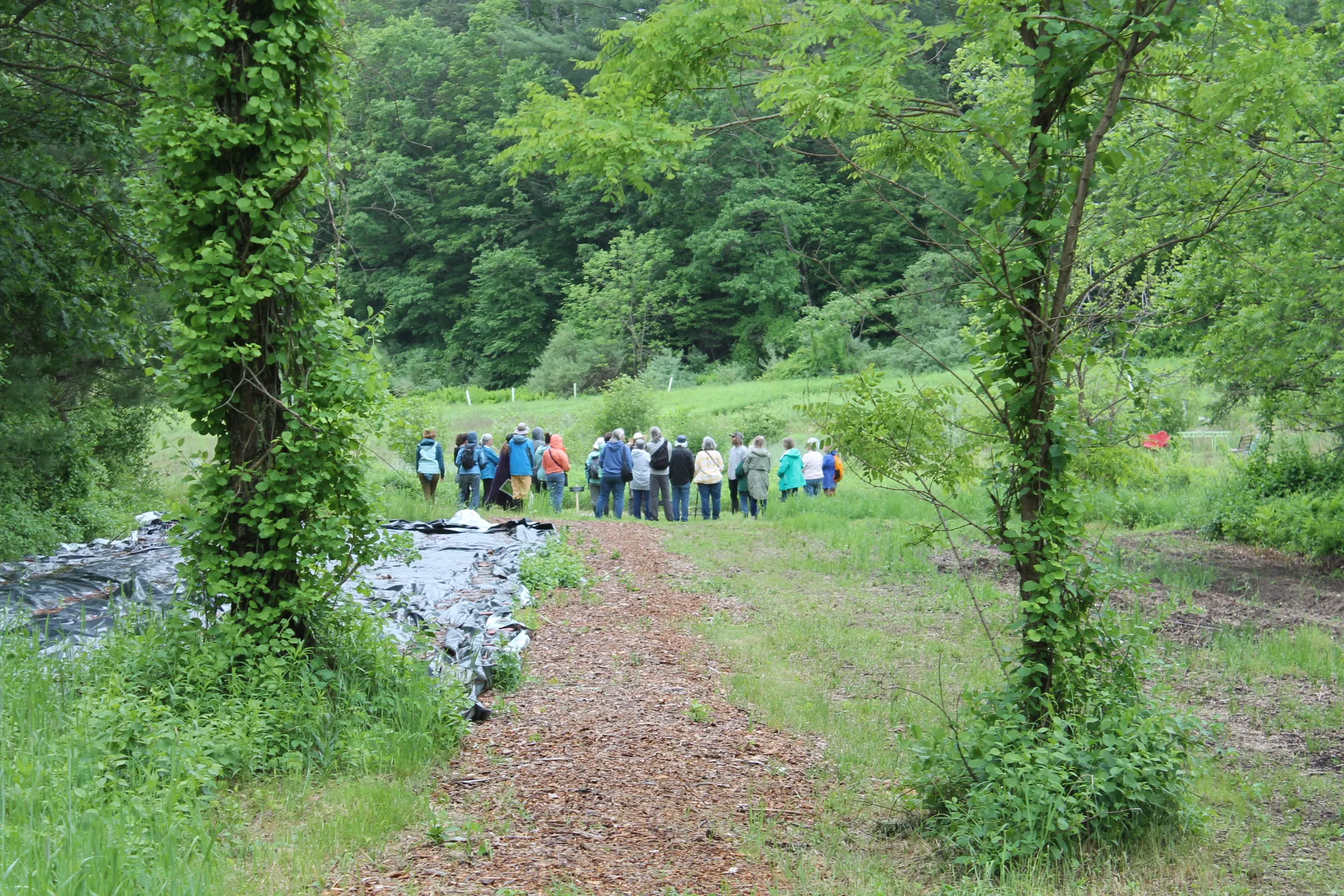
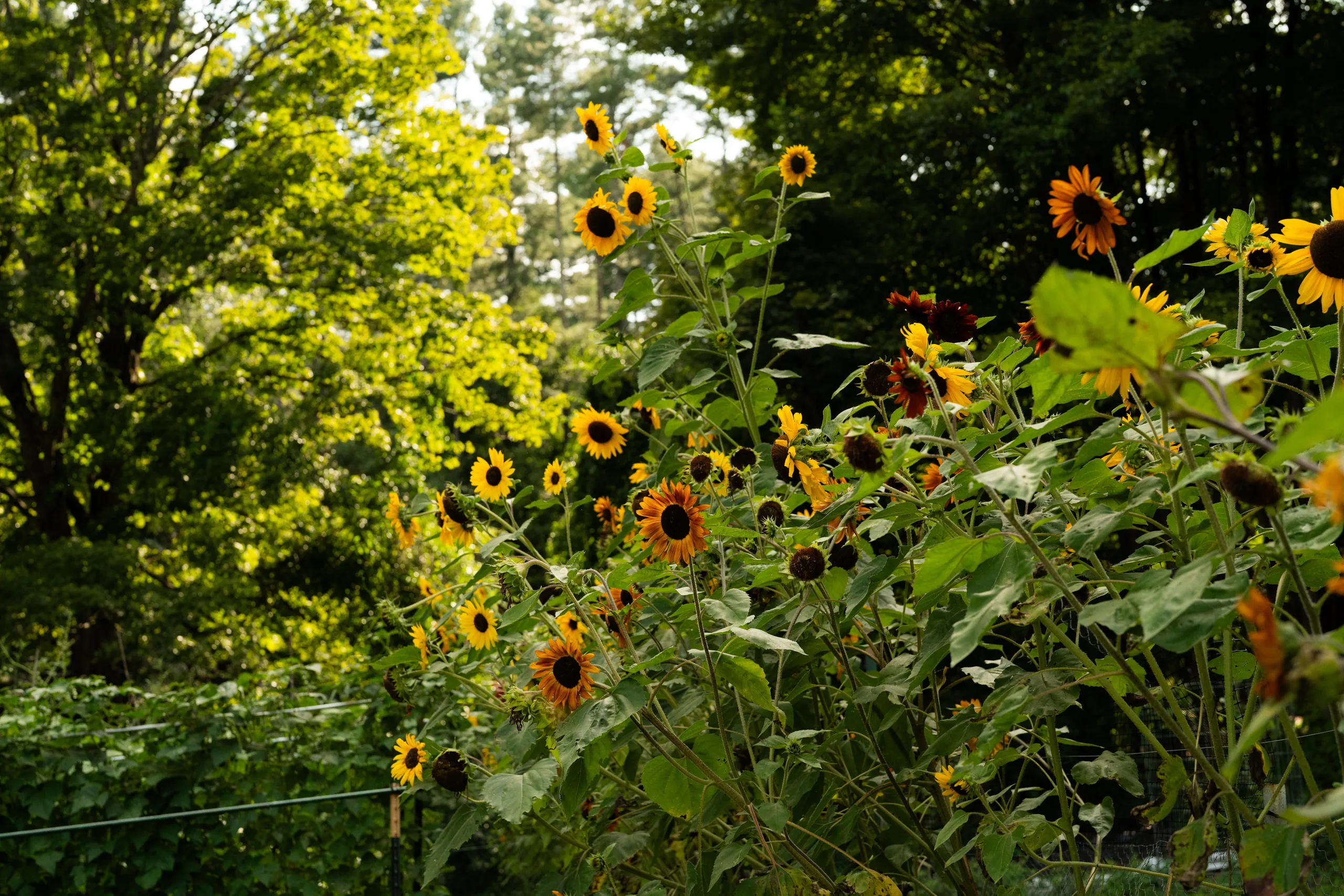
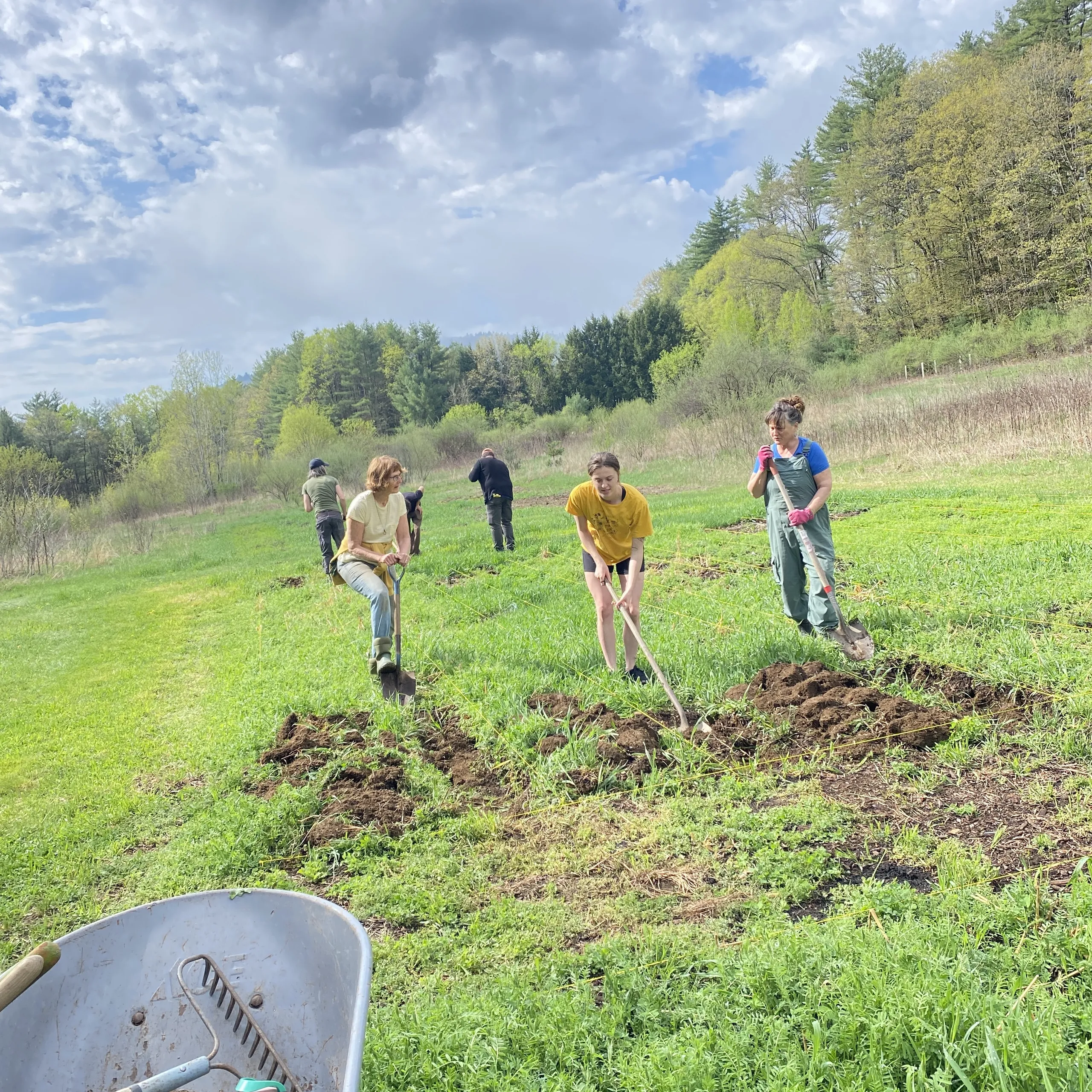
Learning to observe before acting. Working with diversity rather than against it. Questioning familiar ways of doing things. Trying something, paying attention to what happens, and adapting.
These are practices that can strengthen a garden. They can also strengthen people and communities.
Gemmo Forest exists to create space for that experimentation and to share what we discover so those ideas can take root well beyond the Forest.
There is more potential here than we know.
Let’s find out what grows.