Meet the Forest
The land that models community for us.
The Gemmo Forest is one ongoing interactive experiment guided by our principles of minimal soil disturbance, the use of permanent beds, and polyculture plantings. Each and every plant in the forest has a purpose and contributes to the overall coherence.
Not unlike humans in a thriving community.
Each plant is here to nourish the soil, attract and feed a vast array of pollinators, and provide food or medicine. How they interact in each cultivated setting in the forest is at the core of our experiments, and each individual plant contributes to the whole of our understanding.
In our fourth year of growing, we now have a variety of guilds, plantings, and fields at various stages of development. Take a virtual tour, navigating through the four stages of producing, maturing, establishing, and planning, and discover what we are and what we aspire to learn.
Producing
The Hugelkulture Tea Garden
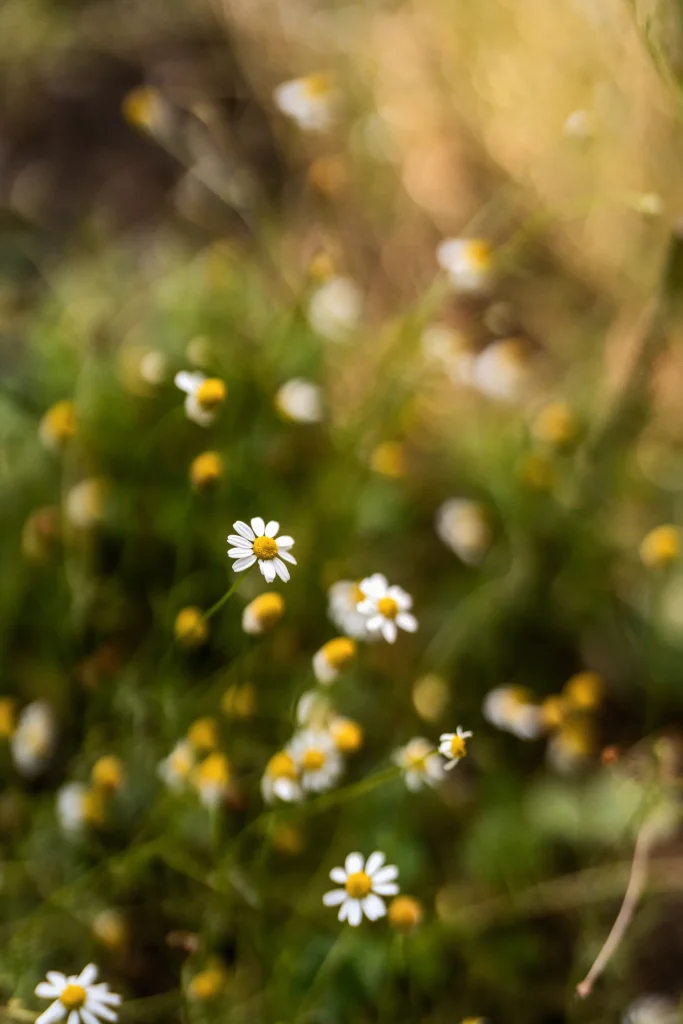
A sampling of tea herbs built on hugelkulture raised beds to delight the senses!
In this garden, we are testing the use of hugelkulture beds for herbs where irrigation was not available. Hugelkulture is a gardening approach that uses raised, mounded beds built from woody materials, compost, and soil. These mounds naturally retain moisture, making it an efficient approach for areas that are trickier to water. We are experimenting on a small scale with a wide variety of herbs for future production.
A few of the tea herbs currently growing include: Holy Basil (Tulsi), echinacea, a variety of mints, chamomile, and lemon balm. The Tea Garden is a beautiful place to take a pause and breathe in the aromatic air.
Maturing
The Fruit Orchard
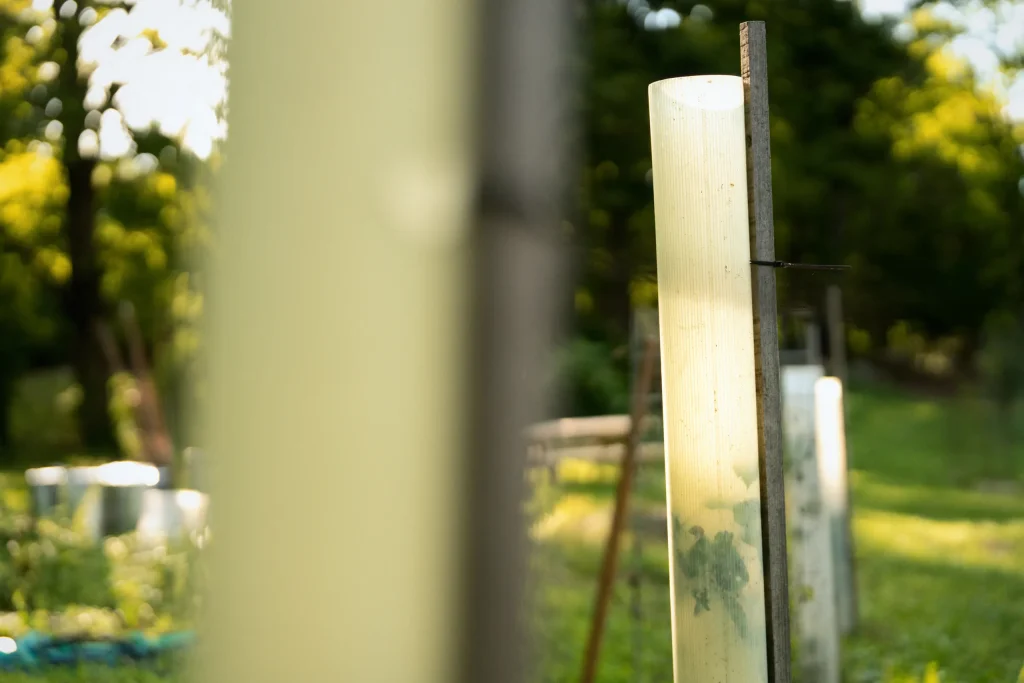
Gemmo Forest is tucked into a suburban neighborhood in Keene, New Hampshire. Just off the road, a maturing fruit tree orchard welcomes you (and our buzzing bee friends!) to the forest.
This orchard was previously home to a conventional cut-flower field and then left to be overtaken by brush. Over the course of three seasons, the land was regenerated with rotating cover crops. Today it is a living example of how to repurpose wild spaces while maintaining biodiversity for wildlife and a woodland edge. The 17 fruit trees were bought with grant money from the ReGenRoots Urban Orchard Project. Fifty percent of the yield will be donated to the community food bank.
Feathered Edge
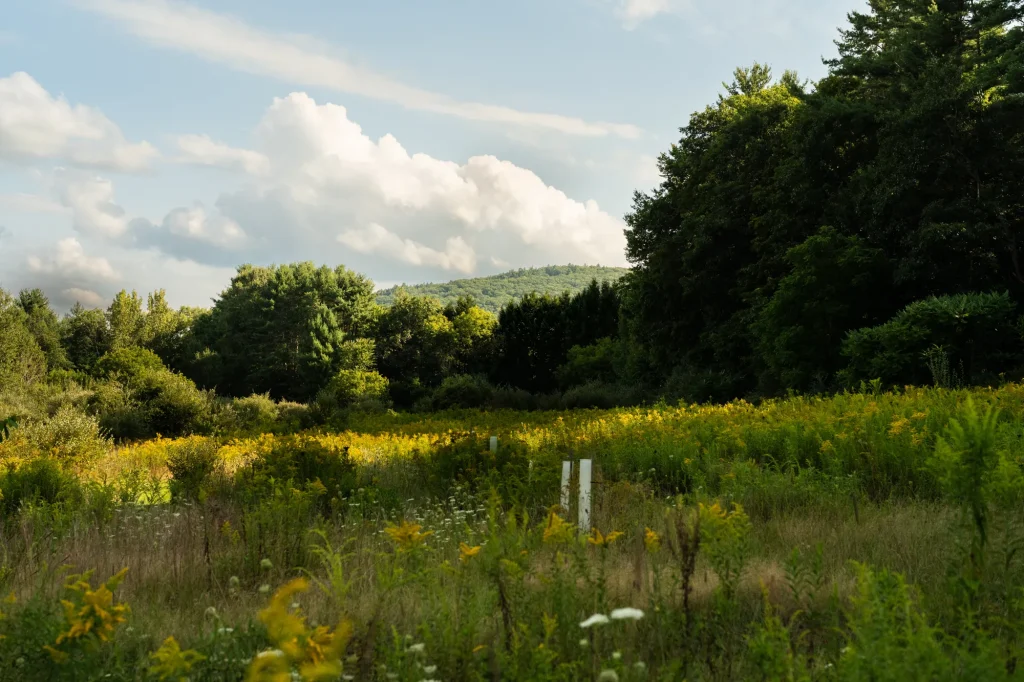
We are nothing if not experimenters and remain open to different ways to cultivate what we need and allow undisturbed spaces. We remain curious about native and nonnative species and how much they compete and collaborate.
Our intentionally planted feathered edge creates a safe, soft corridor for local fauna that pass through or make their home within the Gemmo Forest. Intentionally planted with a variety of native and Gemmo-specific trees and shrubs, it forms a natural progression as an example of what is possible, as opposed to a stark shift from trees to open fields. We thank the Cheshire County Conservation Grant and various private donors for supporting the creation and care of our Feathered Edge.
Guilds
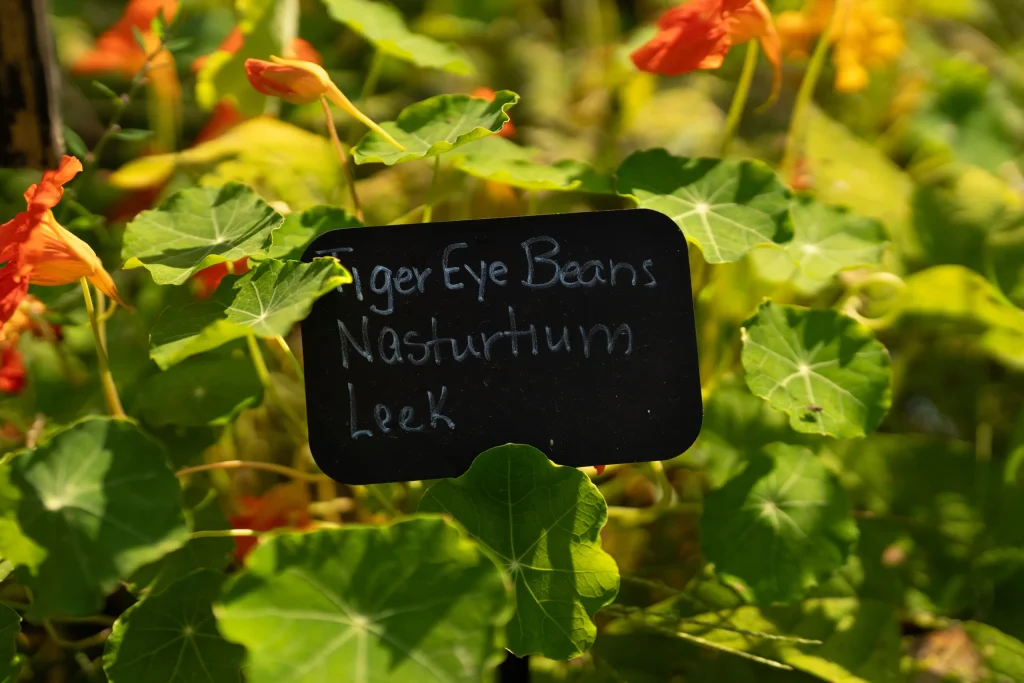
The Gemmo Forest is home to several polyculture guilds designed to support the growth and autonomous development of specific production plants. Each guild is in different stages of maturity, and each teaches a valuable lesson.
Within the guilds, we are testing the viability and sustainability of different Gemmo production plants and how they interact with a variety of support plants. We regularly use our guilds as teaching tools for neighbors who seek to learn more about polyculture principles.
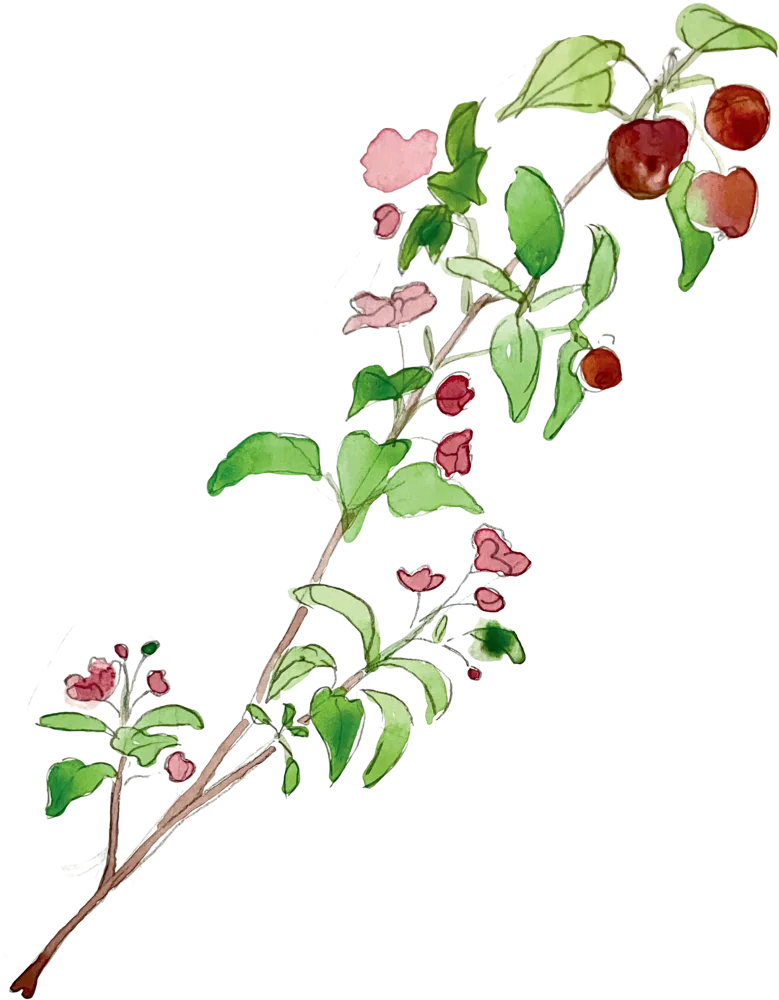
Crab Apple Guild
About
The production tree, Malus spp, or Crab Apple, is a deciduous tree well-known for attracting wildlife. Native to Europe but naturalized in the Northeast of North America, the Crab Apple’s early blossoms are an important source of nectar. Crab apple trees thrive in the dappled shade of the forest edge; thus, its location is in our Gemmo Forest.
Plant benefits
The leaf buds of Crab Apple produce a Gemmo Extract that is high in antioxidants and is a full-body tonic on a cellular level. The extract also has a harmonizing effect on the central nervous and endocrine systems.
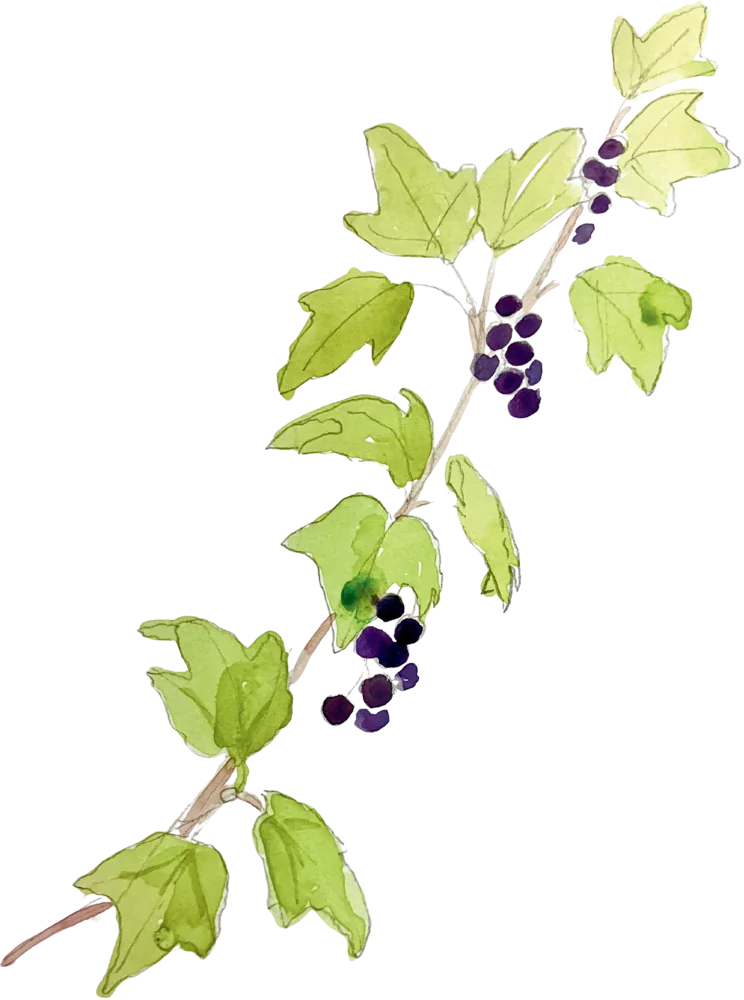
Black Currant Guild
About
Ribes nigrum, Black Currant, is a deciduous shrub native to Europe that produces dark purple edible fruit enjoyed by humans and wildlife. Their early blossoms attract pollinators and beneficial insects, and their dense growth can provide habitat for wildlife. It grows in semi-shade (light woodland) or no shade and prefers moist soil. New plants are easily propagated from hardwood cuttings in the fall.
Plant benefits
The leaf buds of Black Currant are picked in spring to produce a Gemmo Extract that resolves inflammation, is a powerful antioxidant, is a tonic for the sympathetic nervous system, and stimulates the adrenals.
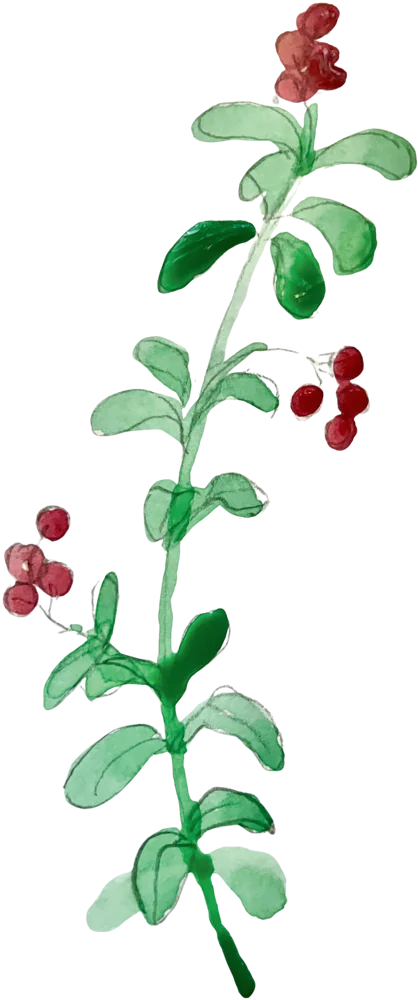
Lingonberry Guild
About
Vaccinium vitis-idaea, Lingonberry, is an evergreen groundcover shrub native to Europe that produces small edible berries enjoyed by wildlife. It grows in semi-shade (light woodland) or no shade and prefers moist soil. It forms a clumping mat of roots that produce new plants from underground runners.
Plant benefits
The young shoots of Lingonberry are picked to produce a Gemmo Extract that acts as a tonic for the immune system and balances flora within the urinary tract and intestines.
Quaking Aspen Guild
About
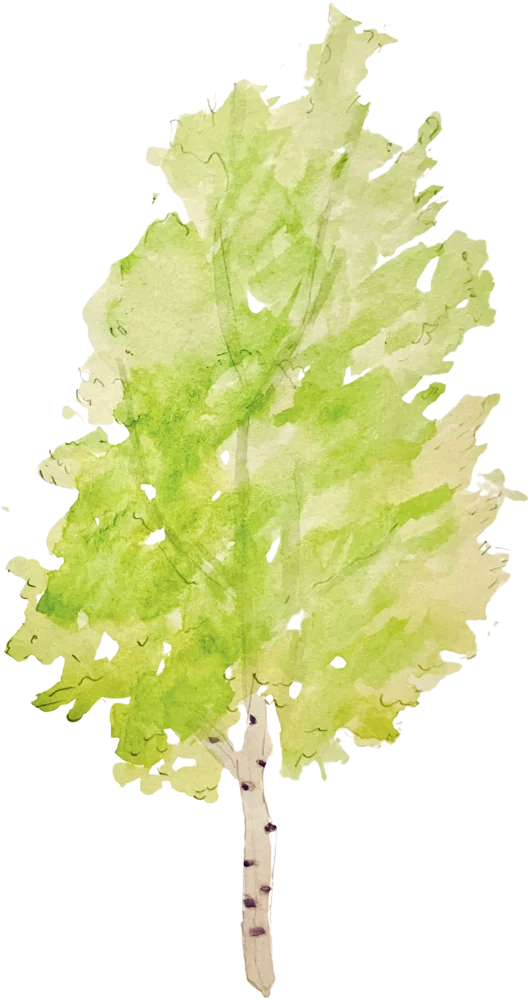
Populus tremuloides, Quaking Aspen, is a deciduous pioneer tree species. Native to North America, it is the first tree that appears after fires, in uncultivated fields, or in logged landscapes. Fast growing, it prepares the soil for future hardwood trees with its aggressive and extensive root system.
Plant benefits
The leaf buds of Quaking Aspen are picked in the spring to produce a Gemmo Extract with similar qualities to its well-known European relative, Black Poplar, a fluid harmonizer and immune system tonic. Quaking Aspen has a long history as an herbal medicine. It holds great potential as a new Gemmo Extract.
Raspberry Guild
About
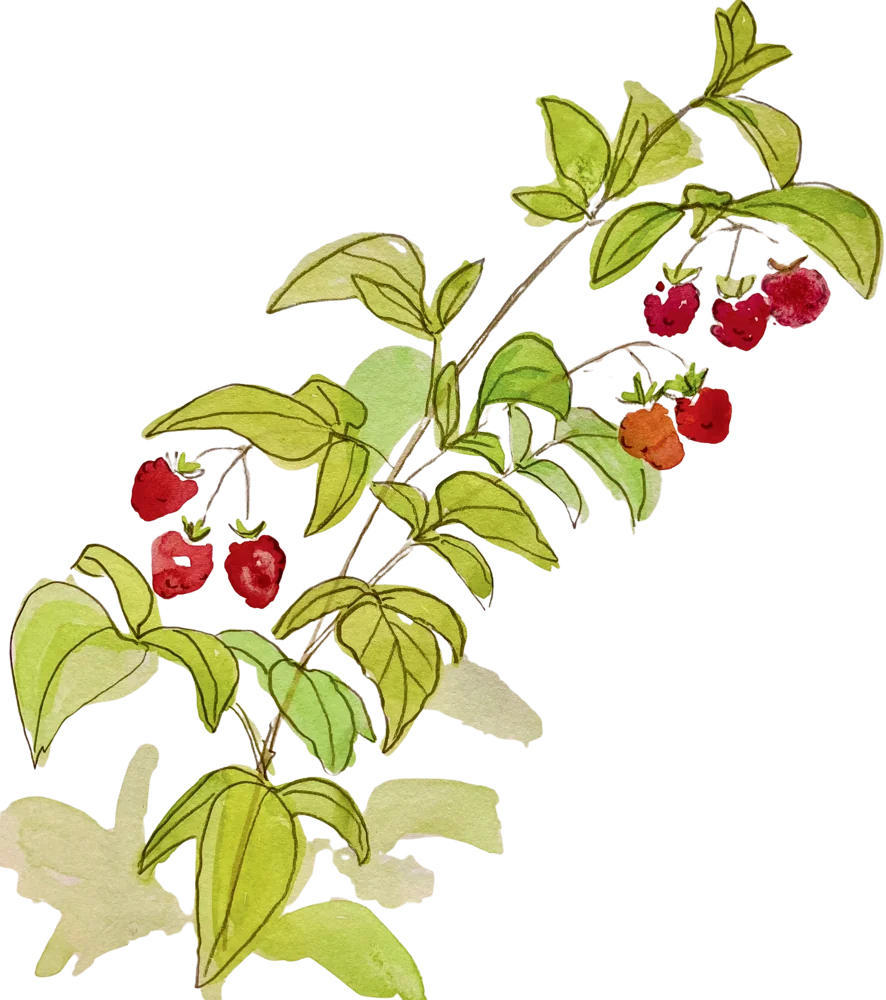
Rubus idaeus, Red Raspberry, is a deciduous shrub native to Europe and adapted to North America. It enjoys open space and a sunny location sheltered from strong winds. Its fruit is appreciated by both humans and wildlife and the blossoms attract butterflies. The trailing root system supports the development of thickets and prevents soil erosion.
Plant benefits
The young shoots of Raspberry are picked in the spring to produce a Gemmo Extract that serves as a tonic for the female reproductive system and has a harmonizing action on the liver. It is known to increase fertility.
Sea Buckthorn Guild
About
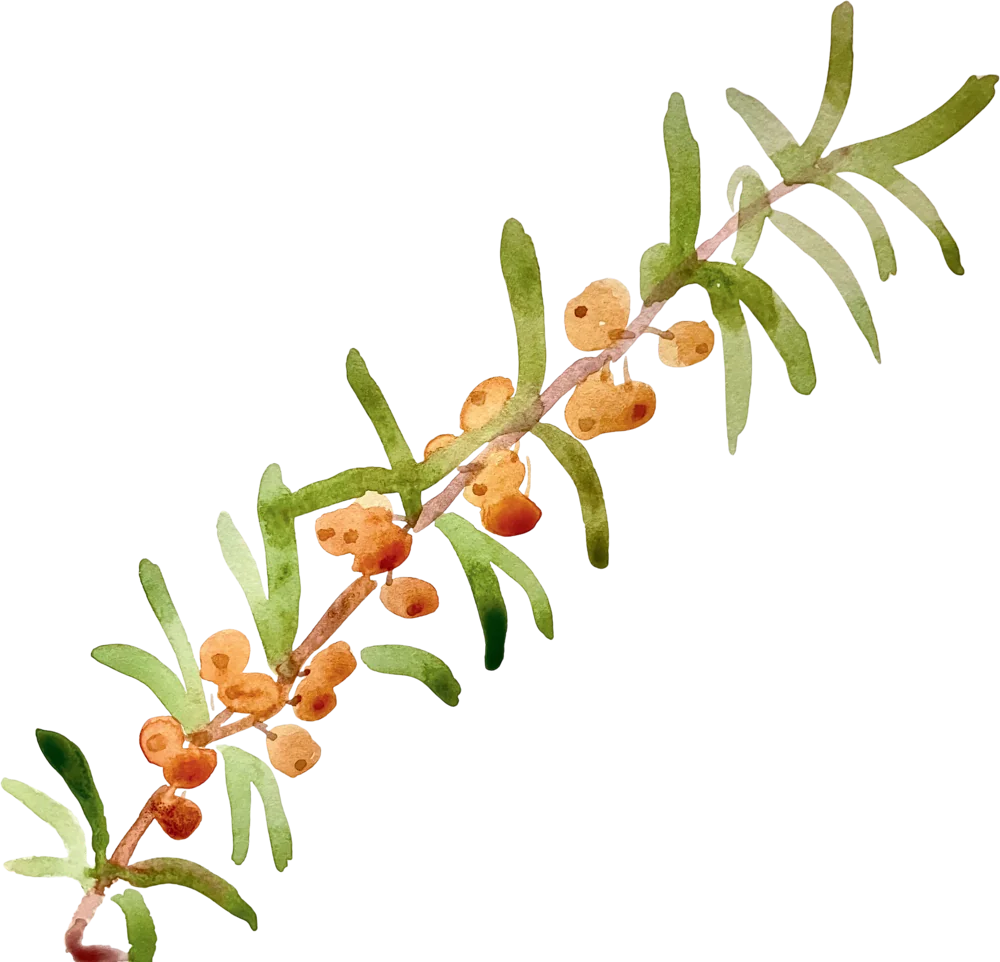
Hippophae rhamnoides, Sea Buckthorn a thorny deciduous shrub, is the production plant in this guild. Native to Eastern Asia, this highly tolerant shrub can create an impermeable barrier around farmland and produces a nutrient-dense fruit beneficial to humans and wildlife. Like its relatives within the Elaeagnaceae family, it forms a symbiotic relationship with soil bacteria that form nodules on the roots and fix atmospheric nitrogen. The fixed nitrogen benefits the sea buckthorn as well as surrounding plants.
Plant benefits
The leaf buds of Sea Buckthorn are picked in early spring to produce a Gemmo extract that is a powerful tonic for the immune system and the central nervous system.
Establishing
Permanent Beds
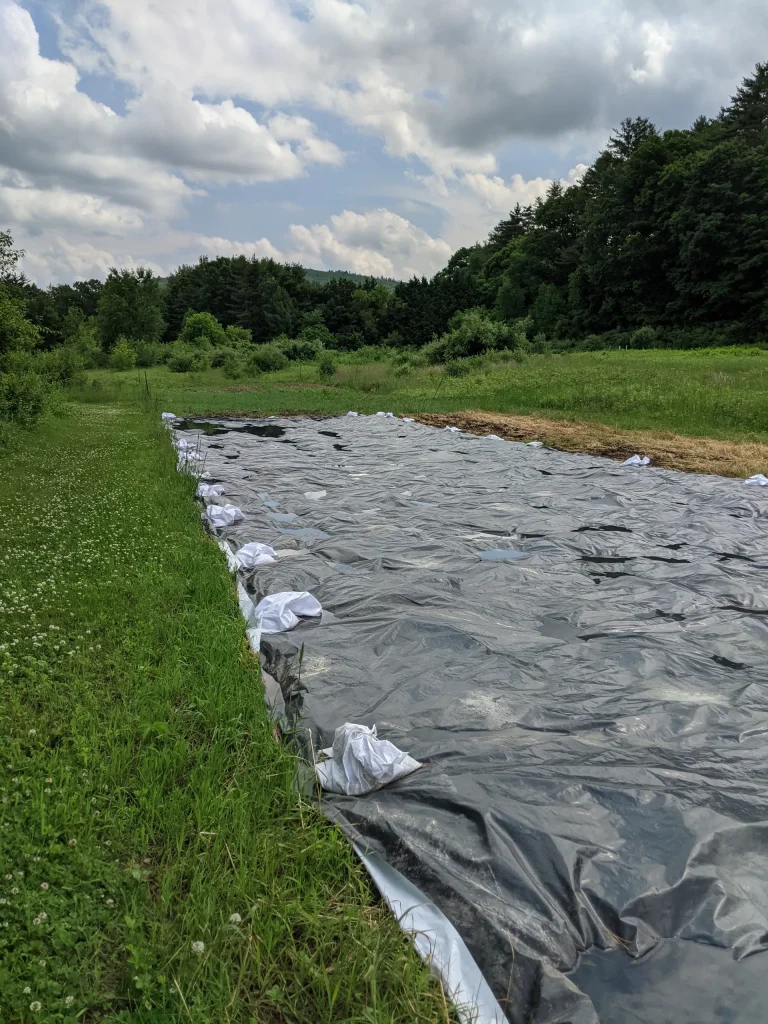
Small, slow solutions are integral to polyculture – especially when your team is tiny, and your scope of work is large. In 2026, newly inducted into the Meeting House Herb Collaborative, we introduced large, permanent beds designed to support perennial medicinal herbs that are also support plants, including yarrow, comfrey, and spotted bee balm. This first of many fields of permanent beds to come will serve as a living example of no-till permaculture practice, and showcase some of the plants we have available in the Gemmo Forest nursery!
Planning
High Tunnel
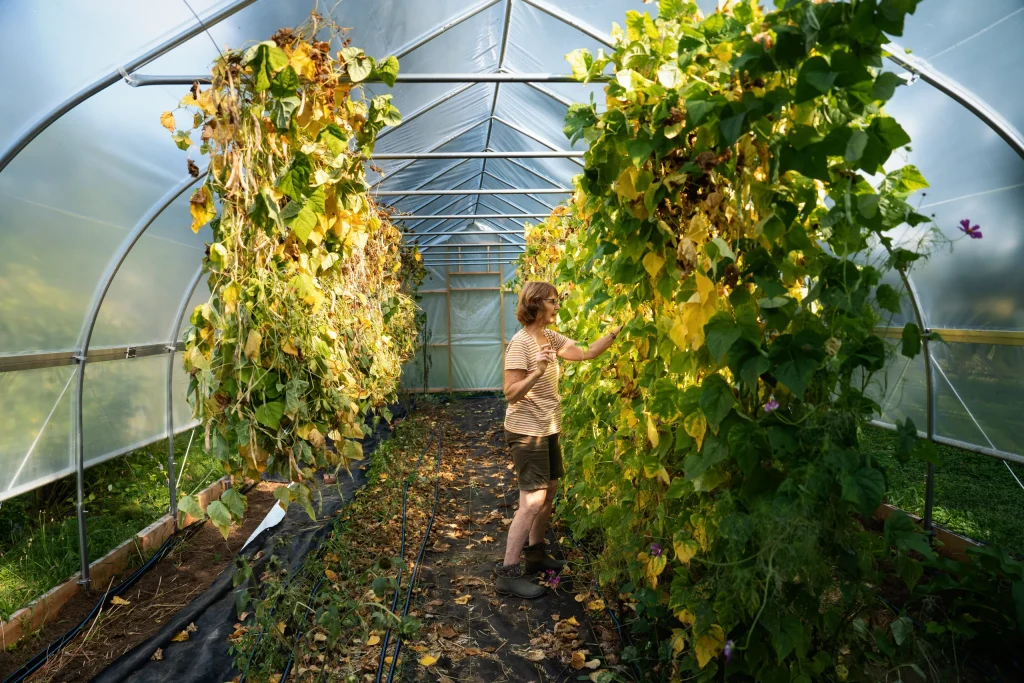
Coming to Gemmo Forest in Fall 2026, this tunnel will house plants, trees, and shrubs needing shelter from our harsh winters – and our peckish deer population. The addition of a high tunnel on our land increases the biodiversity of what we can cultivate for our own use and offer through our nursery to the community for purchase. We plan to tend lavender, fig trees, rosemary, and currants.